
Steps That Can Strengthen A Motorcycle Injury Case After A Denver Collision
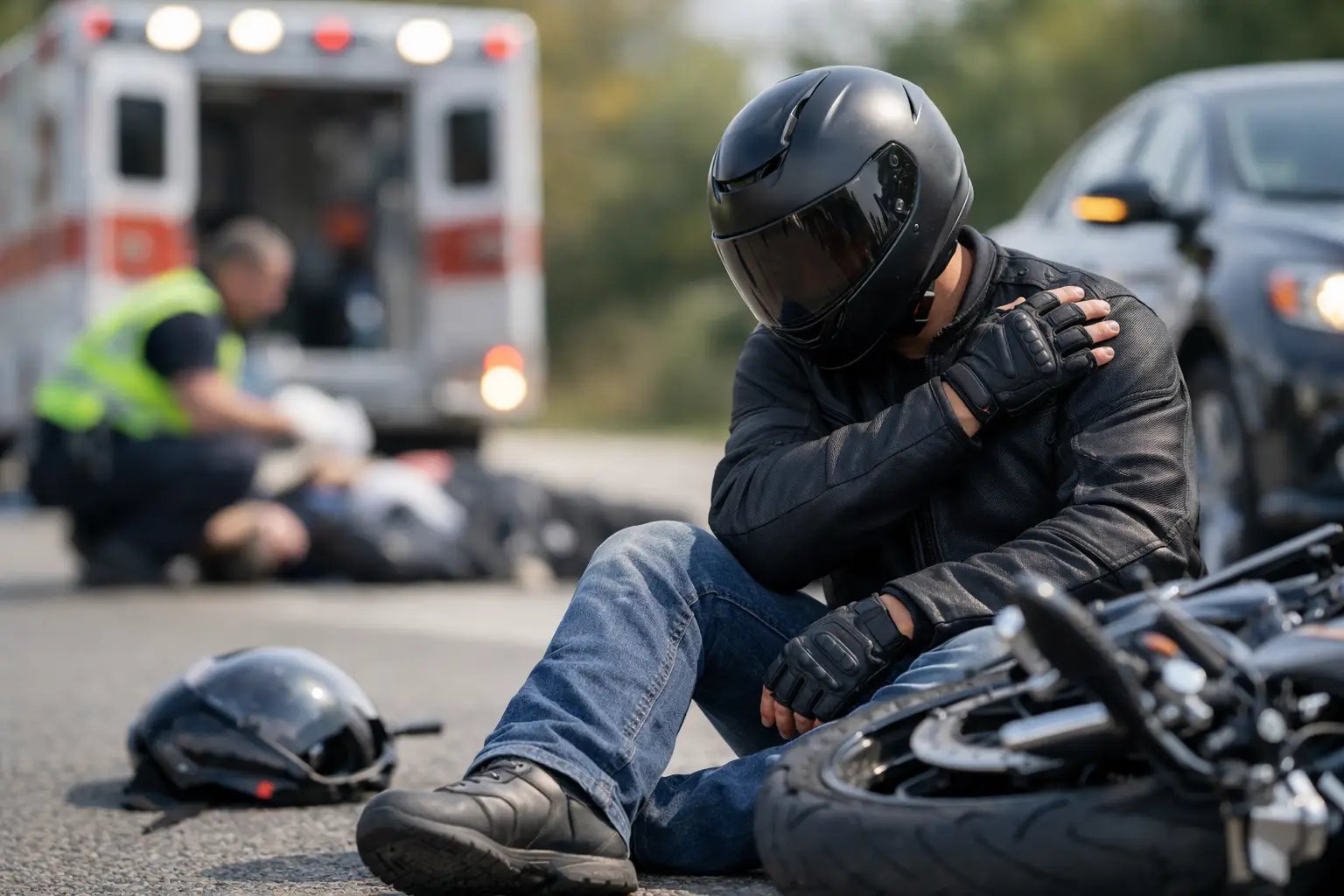
A motorcycle collision can leave a rider dealing with much more than damage to a bike. Injuries may require ongoing medical treatment, time away from work, and significant changes to everyday routines. At the same time, insurance companies may begin investigating the crash almost immediately. What an injured rider does during the days and weeks following the collision can therefore influence the strength of a future injury claim. For someone facing serious injuries or questions about liability, consulting a motorcycle accident attorney in Denver can provide guidance on preserving evidence, documenting losses, and dealing with insurers. Beyond seeking legal advice, several practical steps can help create a clearer record of what happened and how the accident affected the rider. Get Medical Attention And Follow The Treatment Plan Medical care should be a priority following a motorcycle collision. Some injuries are immediately noticeable, while others may become more apparent after the initial shock of the crash has passed. Medical records can also become important evidence in an injury case. They may document the diagnosis, treatment recommendations, physical limitations, medications, and progress of recovery. Attending scheduled appointments and following reasonable medical instructions can create a more consistent record of the injuries. Long gaps in treatment may create questions about whether an injury was related to the collision or whether it was as serious as claimed. Keeping appointments and communicating changes in symptoms to healthcare providers can help maintain accurate documentation. Preserve Evidence From The Collision Physical and digital evidence can disappear quickly after an accident. Vehicles are repaired, road conditions change, and witnesses may forget details. When possible, photographs can document motorcycle damage, other involved vehicles, road markings, traffic signs, debris, weather conditions, and visible injuries. Riders should preserve original photographs and videos rather than relying only on copies posted online. Other potentially useful materials may include the police report, repair estimates, damaged riding equipment, medical documents, and correspondence from insurance companies. Keeping these materials organized can make it easier to reconstruct the events later. Identify Witnesses Early Independent witnesses may provide valuable information when drivers disagree about what happened. Someone who observed the collision may remember vehicle positions, traffic signals, unsafe lane changes, speeding, or other behavior immediately before impact. Contact information should therefore be collected whenever possible. Waiting several months to locate witnesses can make the process considerably more difficult. Denver crashes occurring near businesses, intersections, parking facilities, or residential properties may also have been captured by surveillance cameras. Because some systems automatically erase recordings after a limited period, identifying potential footage early can be important. Be Careful When Communicating With Insurers Insurance representatives may contact an injured rider shortly after the collision. Although routine information may need to be provided, riders should be cautious about making broad statements regarding injuries or responsibility before all facts are known. A person may initially describe themselves as feeling fine and discover days later that an injury requires substantial treatment. Similarly, estimating speed, distance, or other details from memory can create inconsistencies. Keeping communications factual and avoiding speculation can reduce unnecessary disputes later in the claim. Document Financial Losses A motorcycle injury case is not limited to the cost of repairing or replacing the motorcycle. A serious collision can affect multiple areas of a person’s finances. Riders can keep copies of medical bills, prescription expenses, rehabilitation costs, transportation expenses, wage statements, and documentation showing missed work. If injuries affect future employment or earning capacity, employment records may also become relevant. Creating an organized file for accident-related expenses makes it easier to understand the financial consequences of the collision. Keep Track Of The Recovery Process Not every consequence of an injury appears on an invoice. A rider may experience difficulty sleeping, reduced mobility, limitations on exercise, or an inability to participate in normal household and recreational activities. A simple personal record of recovery can help document these changes. Entries can describe pain levels, physical restrictions, medical appointments, missed activities, and changes in daily responsibilities. The purpose is not to exaggerate difficulties. Consistent and accurate notes can simply provide a clearer picture of recovery over time. Avoid Posting Detailed Accident Information Online Social media can create unexpected complications during an injury claim. Photographs, comments, check-ins, and casual statements may be viewed without the context in which they were originally posted. For example, a single photograph showing someone attending a social event does not necessarily demonstrate that the person has fully recovered. Nevertheless, an insurer could attempt to use such material when questioning reported limitations. Limiting public discussion about the collision, injuries, treatment, and legal claim can help prevent unnecessary misunderstandings. Understand That Fault May Require Investigation Motorcycle collisions are not always straightforward. A driver may claim that the rider was speeding, riding between vehicles, or otherwise responsible for the crash. Meanwhile, roadway evidence or witness accounts may tell a different story. Colorado uses modified comparative negligence rules in personal injury cases. This means the percentage of responsibility assigned to each party can affect the compensation available. For that reason, establishing the circumstances surrounding the collision can be especially important when liability is disputed. Build The Case With Consistent Documentation A strong motorcycle injury case is often built gradually rather than through one dramatic piece of evidence. Medical records, photographs, witness accounts, employment documents, expense records, and consistent communication can collectively provide a detailed picture of the collision and its consequences. Taking organized steps from the beginning can make it easier to demonstrate both responsibility and damages. For injured riders in Denver, careful documentation and timely action can help protect their position while allowing them to concentrate on medical treatment and rebuilding their everyday lives. RyanRyan is a passionate writer and blogger, primarily focusing on business growth and management. With a keen interest in exploring the dynamics of entrepreneurship, Ryan delves into topics ranging from innovative strategies to leadership insights. Alongside his professional pursuits, he nurtures a love for travel, especially in search of culinary adventures. Through his writing, Mark aims to inspire and inform … Read more