
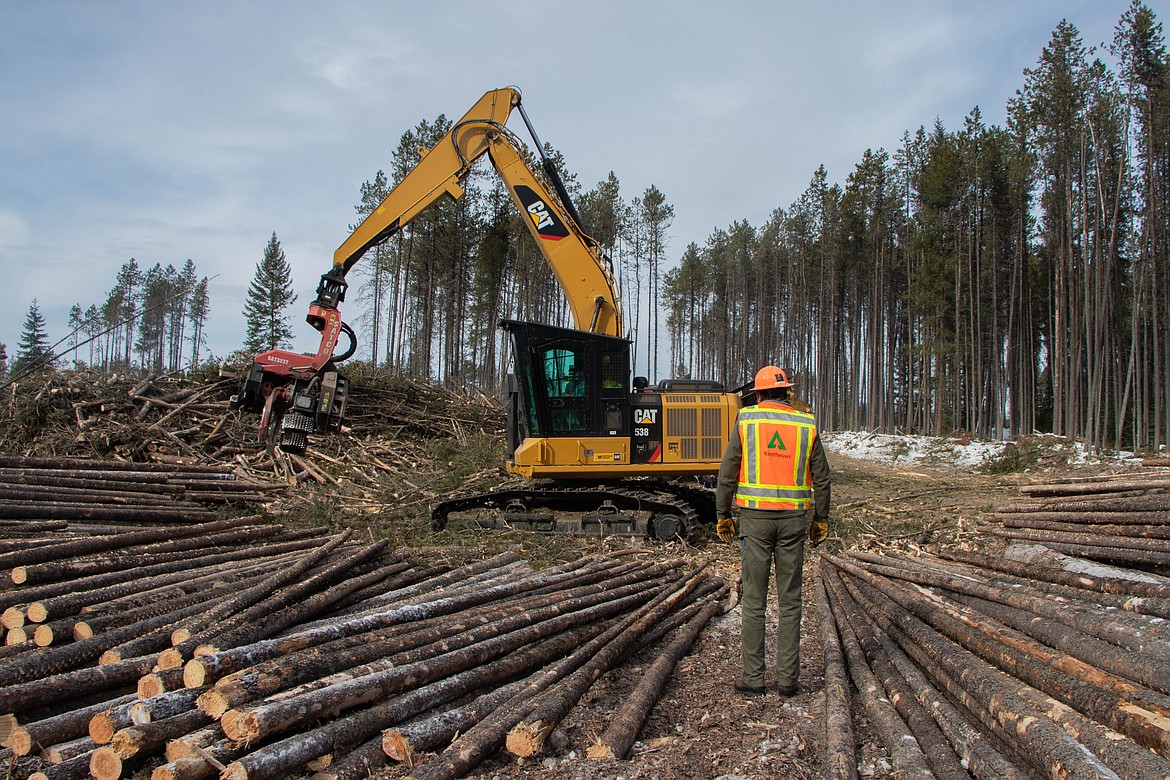
To produce fruitful outcomes, forestry and land management activities need meticulous planning, dependable equipment, and effective resource use. Having the correct equipment may greatly impact operational efficiency, whether handling commercial wood harvesting, clearing overgrown properties, or sustaining forested landscapes. In addition to minimizing needless effort, increasing safety, and preserving output across various terrains, modern forestry equipment assists operators in handling difficult jobs.
Businesses and landowners are seeing the value of investing in specialist gear as forestry projects become more complicated. By working with a reliable forestry equipment dealer, operators may investigate equipment options that meet their unique needs and increase the value of each acre they oversee.
Recognizing The Value Of Effective Forestry Equipment
Tree removal, vegetation management, wood transportation, site preparation, and land restoration are just a few of the many tasks involved in forestry operations. Equipment designed to function well in demanding environmental conditions is needed for each operation. Unnecessary delays, greater fuel consumption, and higher maintenance costs might result from using equipment that is inappropriate for the terrain or job.
Businesses can more consistently finish difficult tasks with the use of efficient forestry equipment. Modern machinery is designed to increase output, lessen physical strain on employees, and improve operational management. Log loaders, skid steers, forestry mulchers, and excavators are examples of equipment that may assist various land management phases while giving operators more control over project schedules.
Achieving dependable performance requires choosing machines based on ground conditions, vegetation density, and project size.
Selecting Tools For Various Forestry Uses
Equipment selection is a crucial component of operational planning since every forestry project has different problems. Strong equipment that can cut, treat, and move vast amounts of wood is often needed for commercial logging operations. However, small equipment that can maneuver through tight places and uneven terrain could be more advantageous for land clearing tasks.
Forestry mulchers are often employed to control smaller trees, brush, and thick vegetation. They may lessen the need for separate collection and transportation procedures while assisting in the conversion of undesirable growth into mulch. Log handling, stump removal, and site preparation are all made possible by excavators with appropriate attachments.
For smaller properties and maintenance tasks, skid steers and compact track loaders provide adaptability. Operators may do several operations without purchasing different machines for each application thanks to their flexibility with a variety of accessories.
Before making a purchase, companies may analyze machinery capabilities, attachment compatibility, and maintenance needs with the assistance of an experienced forestry equipment dealer.
Increasing Productivity Using Contemporary Equipment
One of the most crucial factors in forestry and land management is productivity. Businesses may accomplish more tasks within available operating hours while maintaining consistent performance with the use of efficient equipment.
Improved hydraulic systems, cutting-edge engine technology, and operator controls that enable accurate equipment management are often seen in contemporary forestry gear. Particularly when working on steep slopes, rocky terrain, or densely forested estates, these advancements may make difficult tasks easier to do.
Productivity is also influenced by equipment adaptability. With reduced downtime, machines with numerous attachments may switch between preparing ground, transporting commodities, and removing vegetation. For contractors overseeing many projects with disparate specifications, this flexibility is very beneficial.
However, realistic workload planning, appropriate operator training, and equipment selection that is appropriate for real working circumstances are all necessary to get optimal productivity.
Using Preventive Maintenance To Lower Operating Costs
Dust, dirt, dampness, and severe workloads all hasten mechanical wear on forestry equipment. Even high-quality equipment may encounter unplanned malfunctions that disrupt operations and raise costs in the absence of regular maintenance.
Regular inspections, lubrication, hydraulic system checks, filter replacements, and keeping an eye out for damage to equipment components are all part of preventive maintenance. Operators may detect any issues before they become costly repairs by following manufacturer instructions.
Longer service life may also be achieved by keeping equipment clean and checking attachments after intensive activities. Companies are better able to control repair costs, safeguard equipment investments, and sustain consistent operating performance when they set up organized maintenance programs.
Conclusion
It takes a mix of effective machinery, conscientious land management, and regular equipment maintenance to make every acre count. Choosing the appropriate forestry equipment helps operators increase output while keeping operating costs under control, from wood harvesting and vegetation removal to site preparation and restoration.
Forestry companies may improve operational performance and attain sustainable outcomes in a variety of land management projects by investing in reliable equipment, educating staff, and adhering to preventative maintenance procedures.

Ryan is a passionate writer and blogger, primarily focusing on business growth and management. With a keen interest in exploring the dynamics of entrepreneurship, Ryan delves into topics ranging from innovative strategies to leadership insights. Alongside his professional pursuits, he nurtures a love for travel, especially in search of culinary adventures. Through his writing, Mark aims to inspire and inform readers, sharing valuable insights into the worlds of business and gastronomy.