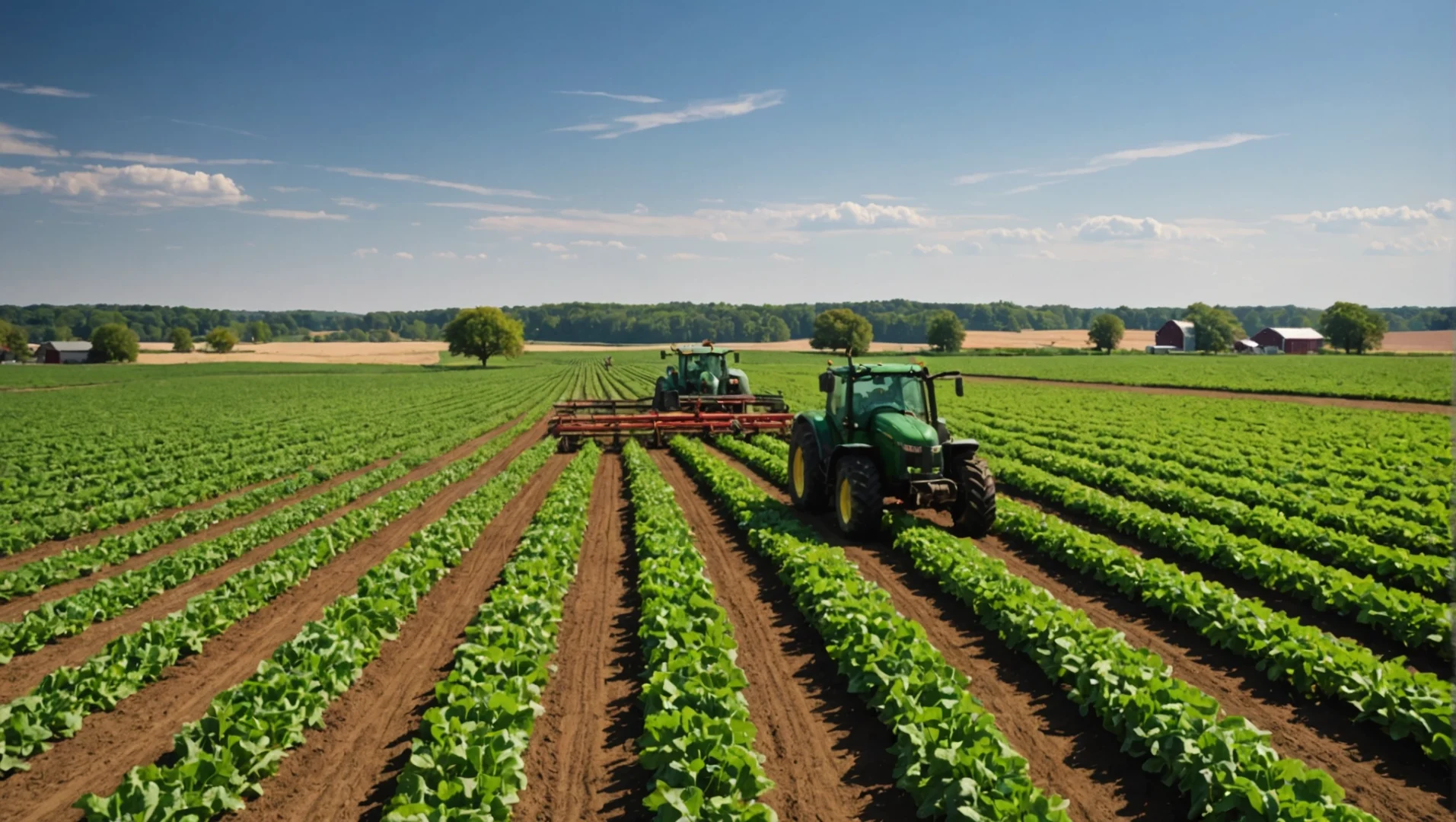
Hard labor, meticulous planning, and dependable equipment have long been necessary for farming. However, there is growing demand on contemporary agricultural enterprises to increase production while keeping costs under control. Equipment selection is more crucial than ever due to rising fuel prices, manpower shortages, unpredictable weather, and strict production deadlines. Selecting the appropriate equipment may have a big impact on how well farmers do their everyday tasks.
Investing in the right equipment helps save needless effort, enhance operational effectiveness, and promote long-term profitability, whether running a small family farm or overseeing vast agricultural areas. For consistent outcomes, it is crucial to comprehend equipment capabilities and match them with particular agricultural needs.
Recognizing The Significance Of Equipment Selection
Depending on the size of the land, the kind of crop, the soil, and the resources at hand, each agricultural enterprise has unique needs. Equipment that performs well on one farm may not provide the same outcomes on another. Therefore, before investing in equipment, farmers should thoroughly assess their operating requirements.
Workflow may be enhanced and resource waste reduced by choosing tractors, harvesting equipment, loaders, and agricultural accessories that are the right size. While inadequate equipment may hinder output and require more working hours, oversized machinery may result in higher fuel consumption and running costs.
For operations including material handling, property maintenance, and other demanding activities, farmers looking for adaptable machinery solutions could also consider Torgersons construction equipment. Agricultural enterprises may get greater outcomes without making needless expenditures by choosing equipment based on practical uses.
Complementing Agricultural Needs With Equipment
Selecting equipment that is appropriate for the particular duties carried out throughout the year is one of the best strategies to increase farm productivity. Field conditions, equipment use frequency, and seasonal workloads should all be taken into account by farmers.
For instance, tractors with the right amount of horsepower may effectively handle transportation, tillage, and planting tasks. In a similar vein, customized harvesting equipment helps minimize crop losses and finish tasks within constrained harvesting windows.
For the purpose of feeding animals, transporting supplies, and maintaining property infrastructure, ranch owners may need loaders, utility vehicles, and accessories. When a single machine can do many tasks with appropriate accessories, equipment adaptability becomes very beneficial.
Selecting equipment carefully guarantees that it immediately increases production rather than adding to maintenance duties.
Cutting Operating Expenses With Effective Equipment
Operating expenses are a crucial factor to take into account since agricultural equipment is a significant financial commitment. The total cost of ownership is influenced by a number of factors, including fuel consumption, maintenance costs, repair needs, and equipment longevity.
Improved engine technology, effective hydraulic systems, and operating features intended to minimize needless energy usage are common elements of modern equipment. Farmers may control costs while preserving production by selecting equipment with these features.
Additionally, regular maintenance is crucial for safeguarding equipment investments. Unexpected malfunctions during hectic agricultural seasons may be avoided by adhering to manufacturer guidelines, checking important components, and replacing worn parts.
Operational dependability is further enhanced by having access to trustworthy equipment vendors and service support. Before making a purchase, farmers assessing Torgersons construction equipment might take into account machine appropriateness, available attachments, servicing needs, and long-term maintenance costs.
Using Modern Equipment Technology To Increase Productivity
Agricultural operations are still being transformed by technology, which makes machines more precise, effective, and manageable. Farmers may maximize their everyday tasks with the use of features like GPS navigation, automated steering, equipment monitoring, and precision agricultural systems.
By reducing redundant field passes, GPS-assisted equipment may minimize wasteful fuel use and increase planting accuracy. Systems for monitoring equipment provide useful data on machine performance, maintenance plans, and any mechanical issues.
By assisting agricultural companies in more precisely applying seeds, fertilizer, and other inputs, precision farming technology also promotes improved resource management. Long-term advantages of modern technology may include less waste, increased productivity, and more reliable operational performance, even if it could cost more.
Conclusion
Making wise equipment choices is the first step in increasing agricultural productivity. Productivity may be significantly increased by choosing equipment that satisfies agricultural needs, lowers running costs, and supports contemporary technologies.
Farmers may create more effective operations while anticipating future issues by putting equipment dependability, adaptability, and long-term value first. In the end, agricultural enterprises may save time, manage expenses, and sustain steady performance throughout each farming season by making thoughtful equipment investments.

Ryan is a passionate writer and blogger, primarily focusing on business growth and management. With a keen interest in exploring the dynamics of entrepreneurship, Ryan delves into topics ranging from innovative strategies to leadership insights. Alongside his professional pursuits, he nurtures a love for travel, especially in search of culinary adventures. Through his writing, Mark aims to inspire and inform readers, sharing valuable insights into the worlds of business and gastronomy.