
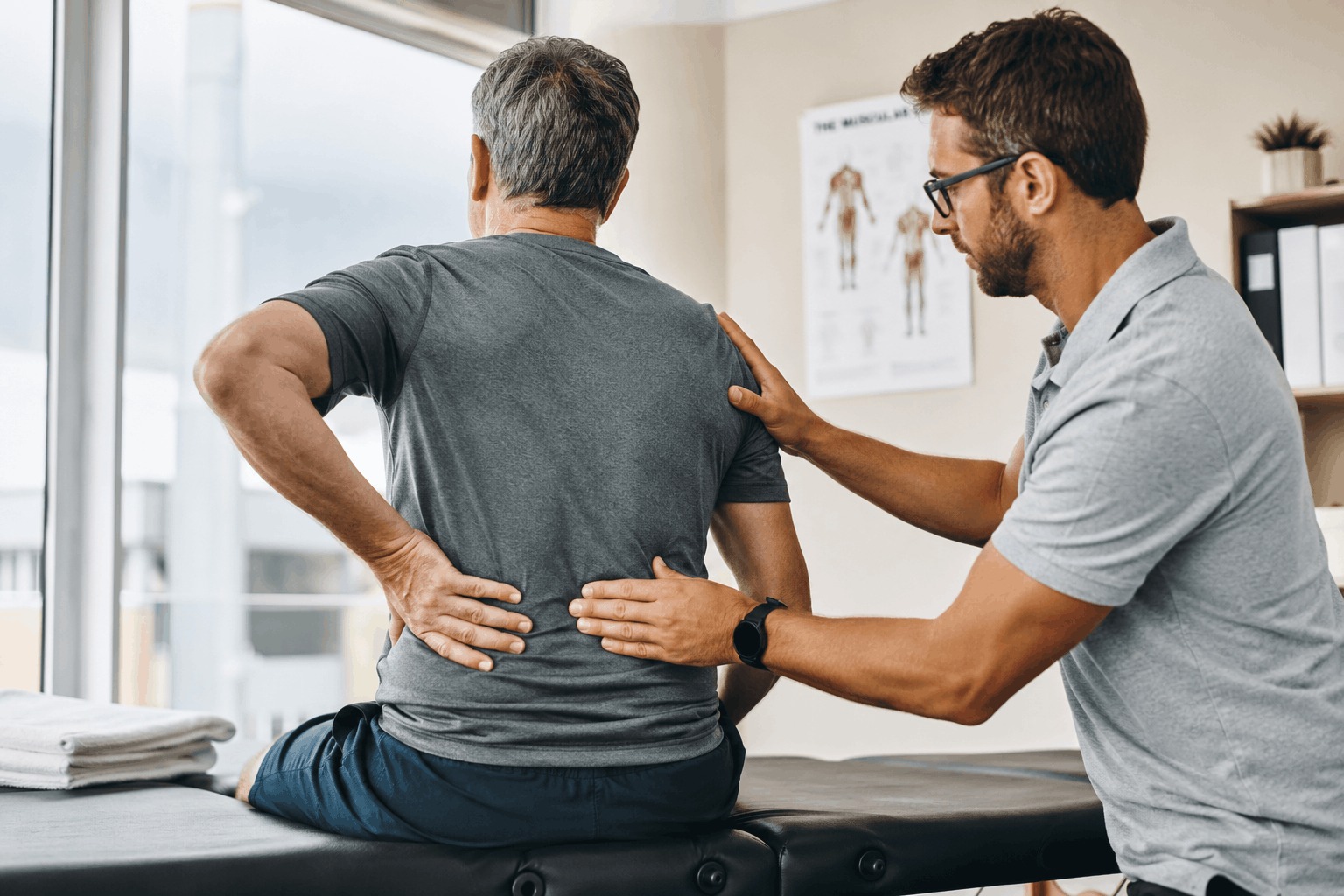
Pain can influence far more than physical comfort. When discomfort becomes persistent, even ordinary activities such as walking, sitting, climbing stairs, working, exercising, or completing household tasks can become more difficult. Over time, people may begin changing the way they move or avoiding certain activities altogether. This can affect mobility, independence, productivity, and overall quality of life.
Finding the right pain clinic can provide a more structured approach to understanding discomfort and improving everyday function. comprehensive pain management may take into account the underlying ailment, mobility restrictions, personal objectives, and other elements that affect an individual’s capacity to maintain an active lifestyle in addition to providing short-term symptom relief.
Understanding The Source Of Pain
Effective pain management often begins with understanding why pain is occurring. Back pain, neck discomfort, joint problems, muscle injuries, and other musculoskeletal concerns can have different causes. Similar symptoms may also require different approaches depending on a person’s health, activity level, medical history, and physical condition.
A pain clinic may use a combination of medical history, physical examinations, imaging, diagnostic procedures, and movement assessments when appropriate. A clearer understanding of the source of discomfort can help healthcare professionals develop a treatment strategy suited to the individual rather than relying on a one-size-fits-all approach.
Creating An Individualized Treatment Plan
There is no universal solution for persistent pain. The treatment that works well for one patient may not be appropriate for another. The right clinic should therefore consider the person’s specific symptoms, diagnosis, lifestyle, limitations, and functional goals.
For people searching for a pain clinic near me, it can be useful to look beyond convenience alone. Patients may want to consider the clinic’s approach to diagnosis, available treatment options, experience with relevant conditions, and emphasis on individualized care.
Treatment plans can involve different combinations of therapies depending on clinical needs. These may include physical rehabilitation, medication management, targeted procedures, lifestyle recommendations, or other appropriate approaches. Care plans may also change as a patient progresses.
Connecting Pain Management With Mobility
Pain and mobility are closely connected. When movement hurts, people naturally tend to protect the uncomfortable area. Someone experiencing back pain might avoid bending, while a person with knee discomfort may reduce walking or hesitate to use stairs.
Although temporary activity modification can sometimes be appropriate, prolonged inactivity may contribute to stiffness, reduced strength, and decreased confidence in movement. This is why a comprehensive treatment plan often considers function alongside pain levels.
The goal may not simply be to reduce discomfort. Depending on the condition, treatment can also focus on helping patients move more comfortably and participate more fully in appropriate daily activities.
Supporting Strength And Movement
Improving mobility often requires more than addressing the immediate location of pain. Strength, flexibility, balance, posture, and movement patterns can all influence how comfortably someone performs everyday tasks.
When rehabilitation is appropriate, carefully selected exercises may help support muscles surrounding affected joints or areas of the spine. Improving flexibility can also make certain movements easier, while movement education may help patients perform routine activities more efficiently.
The process is usually gradual. Trying to return to demanding activities too quickly can sometimes aggravate symptoms. A structured approach allows progress to be adjusted according to the individual’s response and medical needs.
Making Daily Activities More Manageable
One of the most meaningful measures of pain care is whether it helps a person function better in everyday life. Functional goals can vary considerably between patients.
For one person, progress may mean being able to sit comfortably through the workday. For another, it could involve walking longer distances, returning to recreational activities, completing household responsibilities, or participating more comfortably in family life.
Setting practical goals gives treatment a clearer purpose. Instead of evaluating progress only according to a pain score, healthcare professionals and patients can consider changes in movement, endurance, activity tolerance, and independence.
Reducing The Cycle Of Avoidance
Persistent pain can sometimes create a difficult cycle. Discomfort leads to reduced activity; reduced activity can contribute to physical deconditioning, and decreased strength or flexibility may make movement feel increasingly challenging.
Appropriate medical care can help patients understand which activities should be modified and which forms of movement may be safe and beneficial. This guidance can be particularly valuable for people who have become uncertain or cautious about physical activity because of recurring symptoms.
Building confidence in movement does not necessarily mean ignoring pain. Instead, it involves learning how to approach activity in a way that reflects the person’s diagnosis, capabilities, and professional medical guidance.
Looking At Long-Term Function
Good pain management should consider what patients want to achieve beyond immediate relief. While reducing symptoms is important, maintaining mobility and supporting long-term function can be equally meaningful.
This may involve ongoing rehabilitation, adjustments to workplace habits, attention to body mechanics, appropriate physical activity, and follow-up care when necessary. Patients can also benefit from understanding their condition and recognizing factors that may aggravate symptoms.
Conclusion
Living with persistent pain can make ordinary movement feel complicated, but effective care can help create a clearer path forward. The right pain clinic can evaluate the source of discomfort, develop an individualized treatment strategy, and place meaningful attention on mobility and daily function.
By addressing both symptoms and functional limitations, comprehensive pain management can support patients as they work toward moving more comfortably, maintaining independence, and participating more confidently in the activities that matter to them.

Ryan is a passionate writer and blogger, primarily focusing on business growth and management. With a keen interest in exploring the dynamics of entrepreneurship, Ryan delves into topics ranging from innovative strategies to leadership insights. Alongside his professional pursuits, he nurtures a love for travel, especially in search of culinary adventures. Through his writing, Mark aims to inspire and inform readers, sharing valuable insights into the worlds of business and gastronomy.