
Missouri experiences a wide range of weather throughout the year, making indoor temperature control an important part of everyday homeownership. Summers can bring intense heat and humidity, while winters frequently introduce freezing temperatures and cold winds. Between these extremes, spring and fall can change quickly from comfortable conditions to periods requiring heating or air conditioning.
These seasonal variations have a direct effect on household energy consumption. Homeowners often need both heating and cooling systems to maintain comfortable indoor conditions, and those systems may work especially hard during periods of extreme weather. Understanding Missouri’s climate can therefore help residents identify what influences their utility bills and where improvements may reduce unnecessary energy use.
Hot And Humid Summers Increase Cooling Demand
Missouri summers are known for combining high temperatures with significant humidity. When outdoor temperatures rise, an air conditioner must remove heat from the home while also helping control indoor moisture. High humidity can make warm temperatures feel even more uncomfortable, encouraging households to lower thermostat settings.
This is particularly important when considering heating and cooling in St. Louis, where hot, humid summer conditions can place considerable demand on residential air conditioning systems. Homes with older equipment, inadequate insulation, or air leaks may require their cooling systems to operate for longer periods.
Longer operating cycles naturally consume more electricity. If an air conditioning system is poorly maintained, the amount of energy needed to achieve the desired indoor temperature may increase further.
Cold Winters Put Heating Systems To Work
Cooling is only one side of Missouri’s energy equation. Winter temperatures can fall below freezing, creating substantial heating requirements. During colder stretches, furnaces and heat pumps may operate for extended periods to maintain a comfortable indoor environment.
The difference between outdoor and indoor temperatures also matters. Maintaining an indoor temperature around typical comfort levels requires significantly more energy when it is extremely cold outside than when winter conditions are relatively mild.
A home’s construction can influence this expense. Poorly sealed windows, insufficient attic insulation, gaps around doors, and other sources of heat loss force heating equipment to replace warmth continuously. Improving the building envelope can reduce this problem and help homeowners get more value from the energy they consume.
Rapid Weather Changes Complicate Energy Use
Missouri does not always transition gradually between seasons. Spring and fall can bring noticeable temperature changes over relatively short periods. A warm afternoon might require cooling, while a colder night could lead residents to turn on the heat.
These fluctuations can make energy consumption less predictable. Homeowners may find themselves switching between heating and cooling during transitional months rather than enjoying long periods when neither system is necessary.
Smart or programmable thermostats can help manage these changing conditions. Instead of maintaining the same temperature around the clock, homeowners can create schedules that reflect sleeping hours, working hours, and periods when the house is empty.
Home Efficiency Makes A Major Difference
Climate creates the demand for heating and cooling, but the condition of a home determines how efficiently conditioned air is retained. Two similar Missouri homes can experience noticeably different energy costs depending on insulation, windows, air sealing, equipment efficiency, and household habits.
Attic insulation is particularly important because heat naturally moves between areas of different temperatures. Sealing unwanted air leaks can also prevent conditioned indoor air from escaping while reducing the amount of outdoor air entering the house.
Windows deserve attention as well. In summer, heat gain can be facilitated by older or inadequately sealed windows, while in winter, heat loss can be facilitated. Homeowners do not necessarily need to replace every window immediately. Weatherstripping, caulking, curtains, and other relatively simple measures can sometimes improve performance.
HVAC Maintenance Can Control Operating Costs
Missouri’s demanding seasons make regular HVAC maintenance especially valuable. Dirty filters can restrict airflow, while neglected components may reduce system efficiency. Changing filters as recommended and arranging periodic professional inspections can help equipment operate more effectively.
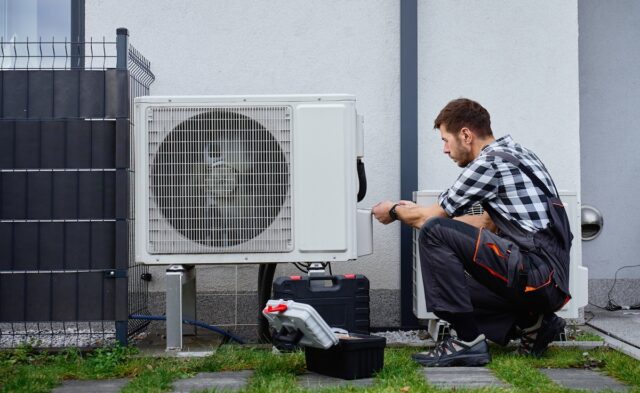
Outdoor air conditioning units should also remain reasonably clear of leaves, vegetation, and debris that could interfere with airflow. Inside the home, supply and return vents should not be unnecessarily blocked by furniture or other objects.
Equipment age can influence costs too. An aging system may gradually lose performance or require increasingly frequent repairs. When replacement becomes necessary, homeowners can consider properly sized, energy-efficient equipment suited to Missouri’s heating and cooling requirements.
Everyday Habits Influence Energy Bills
Not every improvement requires major renovation. Thermostat choices, ceiling fan use, window coverings, and daily routines can all influence heating and cooling demand.
Closing curtains during intense summer sunlight can limit unwanted heat gain. During colder weather, opening curtains on sunny windows can allow natural warmth into the home before closing them later to help retain heat.
Ultimately, Missouri’s combination of humid summers, cold winters, and unpredictable transitional seasons makes heating and cooling a significant part of household energy use. Homeowners who understand how local weather interacts with insulation, HVAC performance, air sealing, and everyday habits are better positioned to manage comfort while keeping energy costs under control.

Ryan is a passionate writer and blogger, primarily focusing on business growth and management. With a keen interest in exploring the dynamics of entrepreneurship, Ryan delves into topics ranging from innovative strategies to leadership insights. Alongside his professional pursuits, he nurtures a love for travel, especially in search of culinary adventures. Through his writing, Mark aims to inspire and inform readers, sharing valuable insights into the worlds of business and gastronomy.