Guest article by an outside contributor. It is not RTPS or Government of Bihar information. For RTPS certificates, see our RTPS Bihar guide.
On a farm, machinery decides how much work gets done in a day, and how much each hour costs. Choosing equipment that fits the operation, rather than buying the biggest or newest option, is one of the more practical ways to improve efficiency.
Recognizing the significance of equipment selection
Every machine has a cost beyond its purchase price: fuel, maintenance, storage, insurance and the operator’s time. Equipment that’s too small for the job slows work down. Equipment that’s too large wastes fuel and capital. Getting the match right affects margins every season.
For jobs such as material handling, property upkeep and other heavy tasks, farmers looking for versatile machines may also look at Torgersons construction equipment. Choosing equipment for how it will be used helps farms get better results without spending more than they need to.
Complementing agricultural needs with equipment
Start with the work, not the catalogue. List the main tasks across the year, the acreage, soil types, crops and how much time each job has to fit into. Then look for machines that cover several of those tasks well.
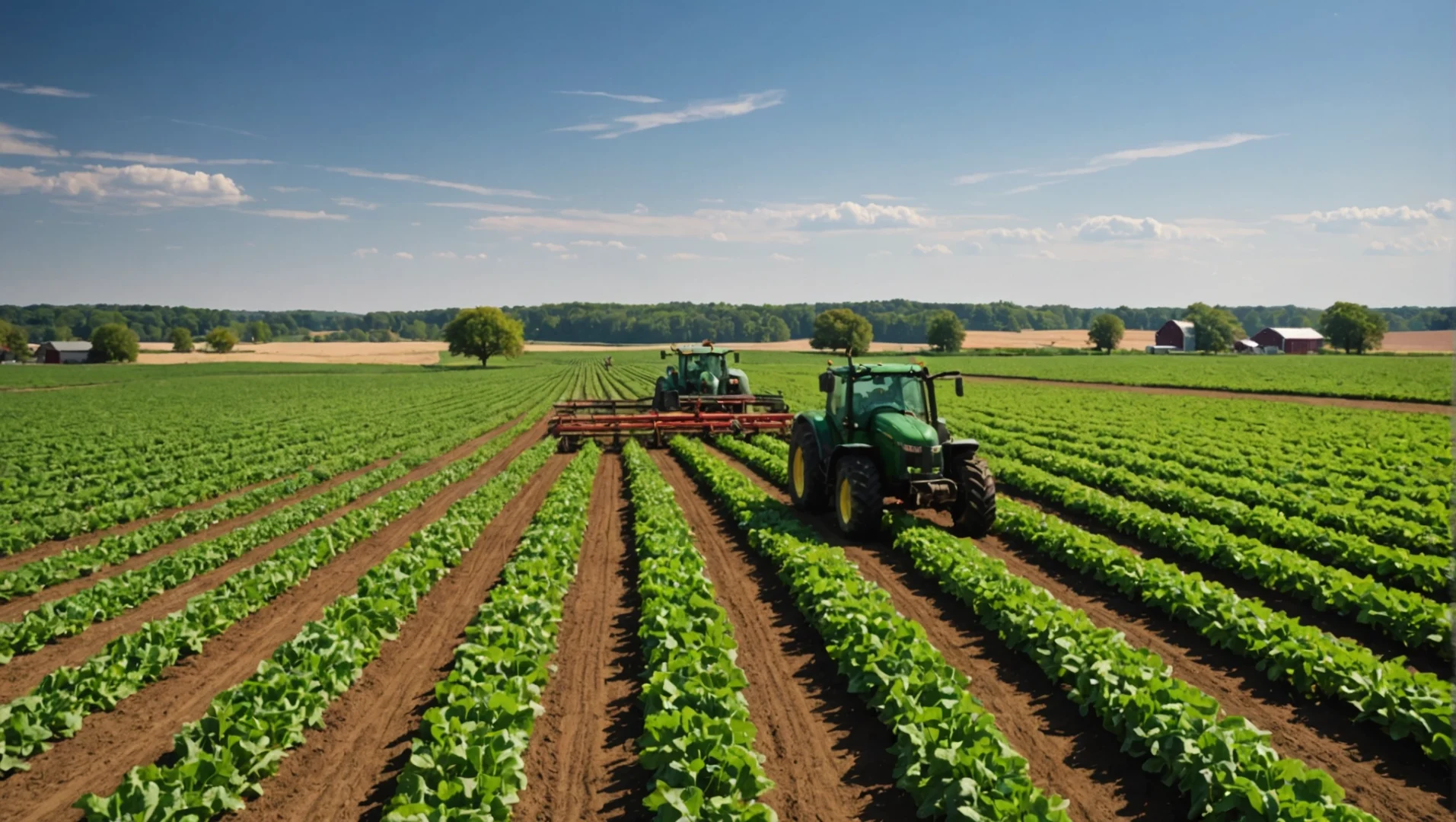
A tractor with the right horsepower, for example, can handle hauling, tillage and planting efficiently. Purpose-built harvesting equipment helps reduce crop losses and get work finished inside tight harvest windows.
Cutting operating expenses with effective equipment
Well-matched, efficient machines tend to use less fuel per acre and break down less often. Regular maintenance keeps them that way. Keeping records of hours, repairs and fuel use shows which machines are earning their keep and which are becoming expensive to run. It also helps plan replacements before a breakdown during a busy period.
Renting or sharing equipment that’s only needed for a few weeks a year can make more sense than owning it. The money saved can go into the machines that work every day.
Using modern equipment technology to increase productivity
GPS guidance, auto-steer and yield monitoring help reduce overlap, save inputs and show which parts of a field perform best. Telematics can track machine location, hours and maintenance needs. Not every farm needs every feature, but the ones that match the operation can save time and money.
Train operators to get the most from each machine
A good machine run badly still wastes fuel and time. Make sure everyone who uses the equipment knows its controls, settings and daily checks. Operators who understand a machine spot problems sooner and use features that save effort, such as the right gear or speed for each job. Safety improves too, which protects people as well as the equipment.
Conclusion
Better equipment choices come from understanding the work first. When machines fit the farm’s tasks, size and schedule, the operation runs more smoothly and costs stay under control.

Ryan writes this site’s Hindi guides to Bihar’s RTPS certificates: caste, income and residence certificates, status checks, downloads and appeals, based on the official portal’s documents.