Guest article by an outside contributor. It is not RTPS or Government of Bihar information. For RTPS certificates, see our RTPS Bihar guide.
Long-term pain does more than hurt. It changes how people move, sleep, work and spend their days. The right pain clinic looks at all of that along with how much something hurts. Here’s what that kind of care tends to involve and why it can help people move better.
Understanding the source of pain
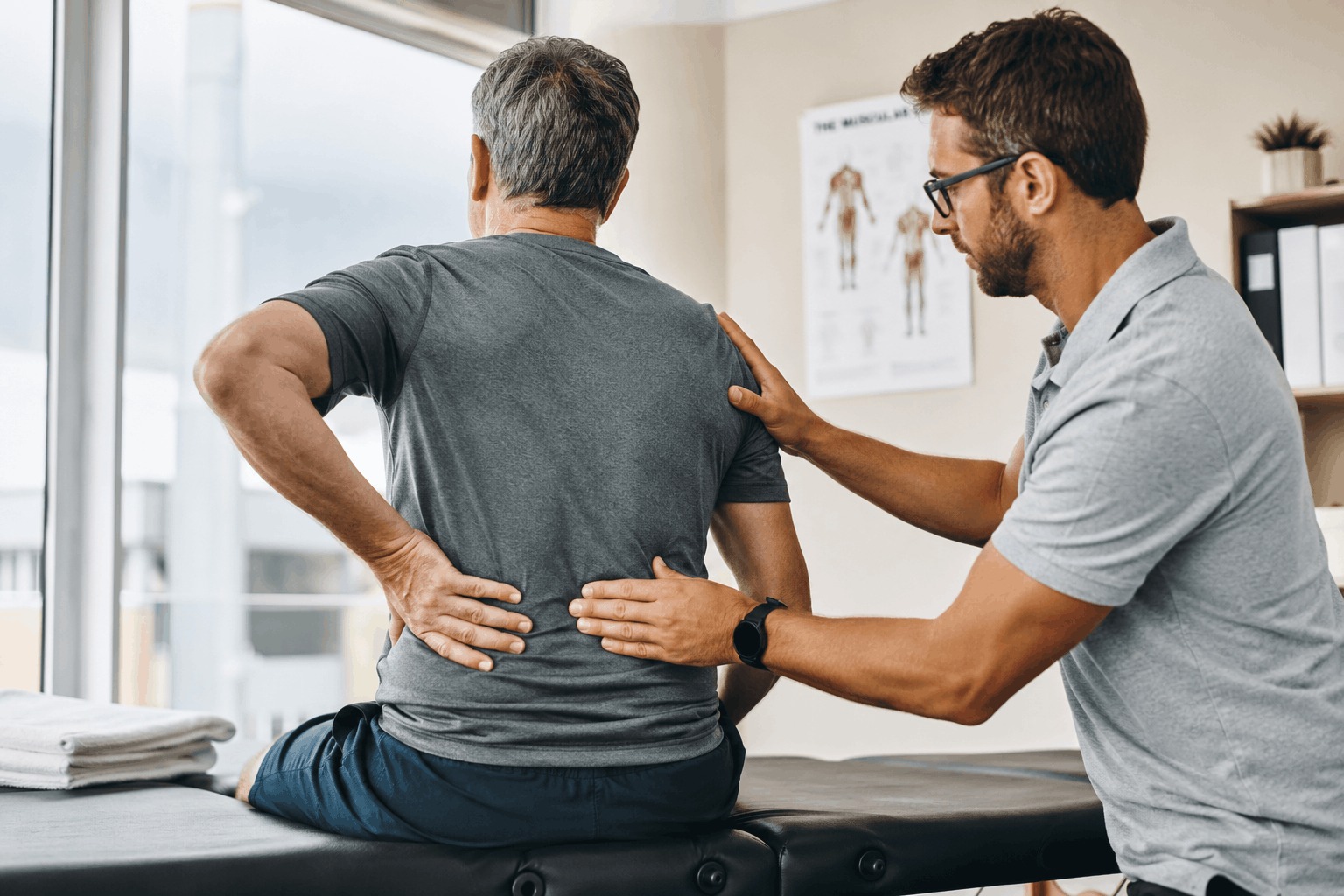
Good treatment starts with a careful assessment. That usually means a detailed history, a physical examination and, where needed, imaging or other tests. Pain in one place can come from a problem somewhere else, so finding the actual source matters before choosing a treatment.
Creating an individualized treatment plan
Two people with the same diagnosis can need different care. Age, activity level, other health conditions and personal goals all affect the plan. A clinic that builds treatment around the person is more likely to find something that works for daily life.
Anyone typing pain clinic near me into a search bar should weigh more than distance. Consider how the clinic approaches diagnosis, which treatments it offers, its experience with your condition and how much it focuses on individual care.
Connecting pain management with mobility
Reducing pain is often a step toward a bigger goal: moving more easily. When pain is better controlled, people can take part in physical therapy and exercise that rebuild strength and range of motion. The two support each other.
Supporting strength and movement
Many plans include guided exercise, stretching and strengthening work. The aim is to support the joints and spine, improve balance and reduce strain. Progress is usually gradual, and a clinic that adjusts the plan as things change helps keep it on track.
Making daily activities more manageable
Treatment works best when it connects to what people do each day: lifting children, sitting at a desk, climbing stairs or standing at work. Clinicians may suggest changes in how tasks are done, the use of supportive equipment or ways to pace activity through the day.
Reducing the cycle of avoidance
When movement hurts, people naturally start avoiding it. Over time, less movement can lead to stiffness and weakness, which can make pain worse. Breaking that cycle carefully, with guidance on what’s safe, is often part of recovery.
Looking at long-term function
Good care plans for the long term as well as for immediate relief. Ongoing rehab, small changes at work, attention to body mechanics, the right kind of exercise and follow-up visits can all play a part. Understanding your condition and the things that make symptoms worse helps too.
Conclusion
The right pain clinic treats pain as one part of a bigger picture that includes movement, strength and everyday life. Asking how a clinic assesses patients and plans treatment is a good way to tell whether it takes that wider view.

Ryan writes this site’s Hindi guides to Bihar’s RTPS certificates: caste, income and residence certificates, status checks, downloads and appeals, based on the official portal’s documents.